Find the Brooding Equipment for your flock! From efficient gas and electric brooders to affordable brooding jikos and eco-friendly solar options. Get the right heat source for healthy chick growth.
Understanding Brooders: What to Consider
Before you choose, think about your specific situation:
Flock Size: How many chicks do you need to brood?
Energy Availability & Cost: Is electricity reliable and affordable? Is propane or charcoal more accessible?
Ventilation: Is your brooding area well-ventilated to handle fumes from gas or charcoal?
Initial Investment vs. Running Costs: Some brooders are cheap to buy but expensive to run, and vice versa.
Safety: Look for features like tip-over switches and overheat protection.
Types of Brooders
1. Gas Brooders {#gas}
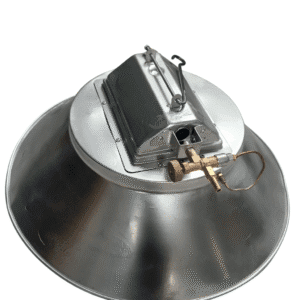
Gas brooders are a popular choice for medium to large-scale operations due to their efficiency and powerful heating capability.
How they work: Use propane or natural gas to produce radiant heat.
Best for: Medium to large flocks, areas with unreliable electricity.
Pros: High heating capacity, cost-effective for large spaces, works during power outages.
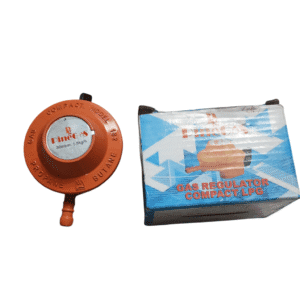
Cons: Requires proper ventilation to remove moisture and fumes, higher initial setup cost, requires a gas cylinder.
Popular Types: Hanging Gas Brooders, Table-top Gas Brooders.
[Shop All Gas Brooders]
2. Electric Brooders {#electric}
Electric brooders are clean, easy to use, and perfect for controlled environments. They often use heating elements or forced air.
How they work: Use electricity to power a heating element or a fan that blows warm air.
Best for: Small to medium flocks, indoor or well-insulated spaces, farmers who prefer a “set-and-forget” system.
Pros: Clean operation (no fumes), precise temperature control, generally very safe.
Cons: Completely dependent on a reliable electricity supply, can be expensive to run in areas with high power costs.
Popular Types: Forced Air Furnaces, Heating Plate Brooders.
[Shop All Electric Brooders]
3. Infrared Brooders {#infrared}
Infrared brooders provide direct, radiant heat that warms the chicks and the floor without heating the entire air. This is very efficient.
How they work: Emit infrared radiation, similar to the sun’s warmth.
Best for: All flock sizes, promoting dry litter and better feathering.
Pros: Highly efficient, keeps litter drier (reducing ammonia and disease), quiet operation.
Cons: The red glow can make it harder to observe chick behavior, bulbs can burn out.
Popular Types: Infrared Heat Lamps, Ceramic Infrared Heat Emitters.
[Shop All Infrared Brooders]
4. Charcoal Brooders & Brooding Jiko {#charcoal}
A traditional and low-cost solution, especially common in areas where other fuels are expensive or unavailable.
How they work: Use burning charcoal in a metal container (the “jiko” or stove) to provide heat.
Best for: Small-scale, backyard poultry keepers on a tight budget.
Pros: Very low initial cost, uses readily available fuel.
Cons: High fire risk, requires constant monitoring, produces carbon monoxide (requires EXCELLENT ventilation), temperature fluctuates.
Popular Types: Improved Charcoal Brooding Jikos, Kienyeji Brooders.
[Shop All Charcoal Brooders]
5. Ceramic Brooders {#ceramic}
A type of electric brooder known for its safety and longevity. They emit pure heat without light.
How they work: An electric current heats a ceramic element to a very high temperature, emitting intense infrared heat.
Best for: All flock sizes, farmers concerned about fire risk, and for providing a natural day/night cycle (as they produce no light).
Pros: Extremely long-lasting, no light disruption, very safe from shattering (unlike bulbs).
Cons: Gets very hot to the touch, requires a compatible socket and guard, purely radiant heat.
[Shop All Ceramic Brooders]
6. Solar & Used Oil Brooders {#solar-oil}
These are innovative and eco-friendly solutions that repurpose waste materials or use free solar energy.
Solar Brooders:
How they work: Use solar panels to charge batteries that power electric heating elements.
Best for: Off-grid farming, reducing long-term energy costs.
Pros: Very low running cost, environmentally friendly.
Cons: High initial investment, dependent on sunlight, requires battery backup.
Used Oil Brooders:
How they work: Burn filtered waste engine oil to produce heat.
Best for: Cost-conscious farmers with access to used oil, small to medium operations.
Pros: Extremely cheap fuel (often free), solves waste oil disposal problem.
Cons: Requires a specialized burner, can be messy, must ensure proper filtration and ventilation.
[Shop Eco-Friendly Brooders]
Brooder Accessories & Essential Parts {#accessories}
Complete your setup with these essential items:
Brooder Guards: Create a safe, draft-free circle for your chicks.
Thermometers & Thermostats: For precise temperature monitoring and control.
Heat Lamp Bulbs: Replacement infrared and ceramic heat bulbs.
Hanging Chains & Clamps: For secure and adjustable placement of brooders.
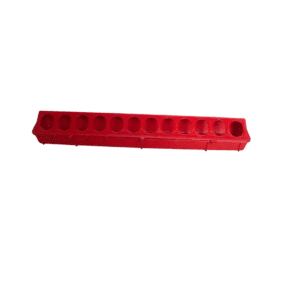
Feeder & Drinker Bases: Designed specifically for chicks.
[Shop All Brooder Accessories]
Need Help Choosing? Get Your Free Brooder Consultation!
Showing all 3 results